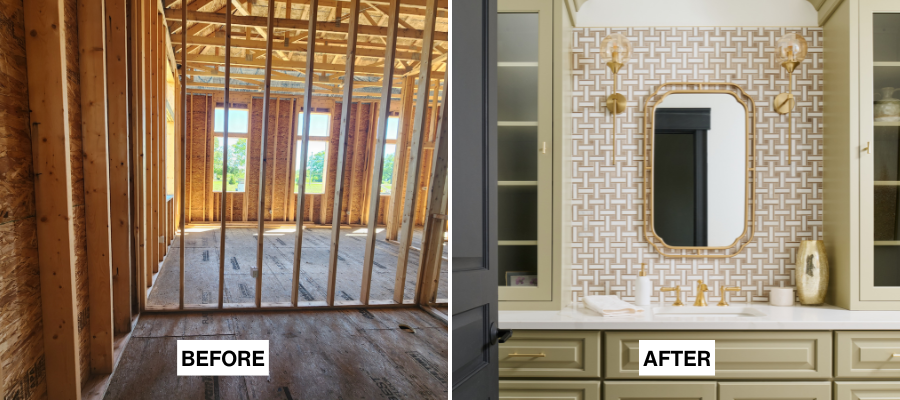
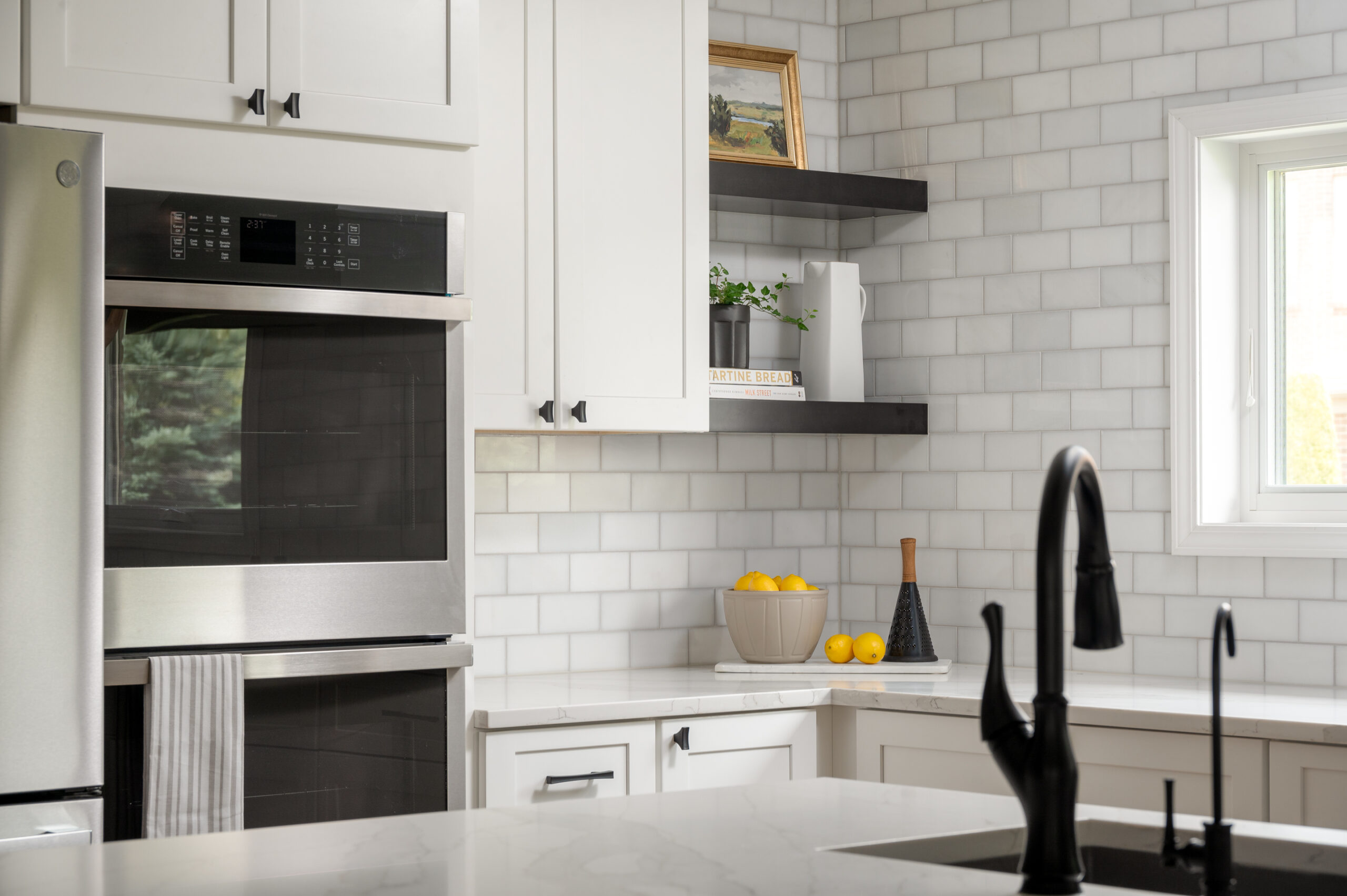
You know that feeling when you walk into a room and everything just feels right even if you can’t quite explain why? That’s the magic of visual weight, one of the most important (and least understood) concepts in interior design.
What Is Visual Weight?
Visual weight refers to how much attention an object draws within a space. It’s not about the actual weight of furniture or décor, but how heavy or light something feels to the eye.
A dark, oversized leather sofa might feel visually heavier than a light, linen one, even if they weigh the same physically. The heavier object naturally becomes more dominant in the room, pulling the eye toward it.
In good design, balance is everything. Understanding visual weight helps you arrange furniture, select finishes, and choose artwork so that your space feels harmonious and comfortable.
The Elements That Affect Visual Weight
Here’s what influences how heavy or light something appears in your design:
1. Color and Value
Dark colors tend to feel heavier, while light colors feel airy. A black table will visually anchor a room; a pale wood one may feel softer and less imposing.
2. Size and Scale
Larger objects naturally draw more visual attention. But proportion matters too, a large sectional in a great room might feel perfect, while that same sofa would overwhelm a smaller space.
3. Texture and Material
Rough, dense, or shiny materials carry more visual weight than smooth, matte surfaces. A chunky woven rug or stone fireplace visually grounds a space, while a glass table or light linen curtains provide lift.
4. Placement and Spacing
Where something sits in a room changes its perceived importance. Objects near the center or at eye level tend to carry more visual weight than those tucked to the side.
Balancing the Room
When designing, balance is about distributing visual weight evenly, not symmetrically, but so nothing feels off-kilter.
• Anchor heavy pieces like sofas or cabinetry opposite or near lighter, visually open elements.
• Layer textures to add depth and rhythm without making one side of the room feel heavier.
• Use color strategically. A dark accent wall or artwork can offset lighter furniture and bring visual stability.
Imagine the way your eye moves around a room, it should flow, not land too heavily on one spot.
Why It Matters
Visual weight is what makes a room feel right even before you know why. It’s the difference between chaos and calm, between a room that looks designed and one that simply feels natural.
By paying attention to how color, scale, texture, and placement interact, you can create balance, the secret to timeless, comfortable, livable design.